Scope & limits (disclaimer)
This content provides informational guidance on professional deep-cleaning practices. It is designed to describe common processes and operational standards rather than prescribe actions or promote specific brands. No calls-to-action, proximity suggestions, booking mechanisms, or links are included. It does not provide medical advice or recommend particular products. Brand names (e.g., “Servpro”) are used only descriptively, without endorsement or affiliation.
What a deep-clean visit typically covers
Professional teams generally follow a written scope and a detailed room-by-room checklist, ensuring that cleaning procedures are organized, methodical, and consistent. A typical deep-clean visit often includes:
-
Kitchen: degreasing hobs, extractor hoods, backsplashes, and appliance exteriors; interiors may be included if pre-agreed. High-touch surfaces such as handles, switches, and knobs are routinely cleaned to reduce the accumulation of grime and soil. Some providers also offer optional attention to cabinet fronts or shelving, depending on the written scope.
-
Bathrooms: removal of soil and mineral deposits, cleaning of surfaces affected by mildew without remediation, disinfection of fixtures, switches, and ventilation grilles. Tile grout, sinks, bathtubs, and toilets are addressed according to agreed procedures, with care taken to avoid harsh chemical damage to delicate surfaces.
-
Floors & textiles: HEPA-rated vacuuming is commonly employed to remove fine dust and particulate matter. Where included in the scope, low-moisture extraction may be performed on carpets, rugs, and upholstery to refresh soft surfaces while minimizing water exposure.
-
High-touch disinfection: door handles, rails, switches, desk edges, and similar surfaces are treated using procedures that respect manufacturer-recommended contact times. The exact tasks performed depend on the written scope agreed with the provider, and the cleaning crew adjusts methods accordingly.
Disinfection protocols (methods, not marketing)
A typical sequence used by professional cleaners may include a pre-clean stage, application of disinfectant, adherence to product contact times, and prevention of cross-contamination. Color-coded cloths or separate tools are often used to distinguish between areas such as bathrooms and kitchens. Providers select products appropriate to each surface, following label instructions. This content does not claim pathogen-specific efficacy and does not recommend any particular product; users should verify product choices and instructions with the service provider.
Senior-friendly adjustments (non-medical)
For households with older adults or residents with limited mobility, teams frequently adapt their methods: long-reach dusters may be used to avoid unnecessary bending, low-splash cleaning techniques minimize the risk of spills, and slip-aware floor care is applied where relevant. Additional measures can include low-odor or fragrance-free product use and targeted attention to high-touch zones such as banisters, appliance handles, and taps. These adjustments are operational in nature and do not constitute medical or remediation services.
Planning & expectations (neutral)
Rather than focusing on proximity-based promises or specific timelines, households and providers should agree on a written scope, a window of availability, and any sensitivities (such as fragrance-free preferences or special care for grab bars and other supports). It is important to clarify in advance whether interiors of appliances (e.g., ovens, fridges) or soft-surface work is included. Expectations should remain procedural, emphasizing actions performed rather than guaranteed outcomes.
Quality you can review
Transparency in service delivery is often enhanced through practices such as:
-
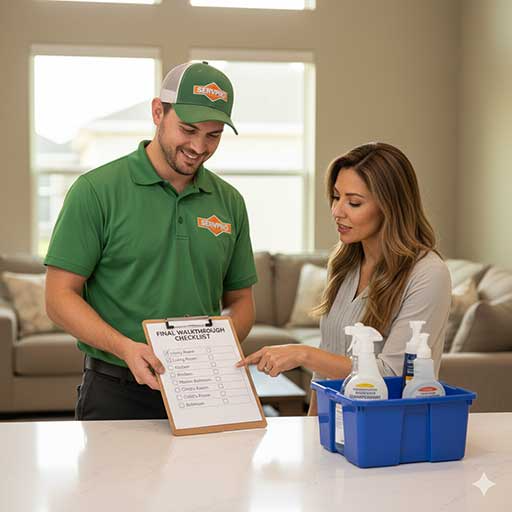
Conducting a brief walk-through to note priorities and identify delicate surfaces,
-
Displaying a visible task checklist during the service to track progress,
-
Providing an end-of-visit summary outlining completed items and any care guidance, such as recommended drying times for floors or fabrics.
Policies vary among providers, so terms should be confirmed in writing.
Materials & surface care (examples)
“Thorough” cleaning does not imply aggressive or harsh treatments. Common practices include:
-
Using pH-appropriate chemistry for stone, non-etching formulas on glass, and peroxide blends for bathroom surfaces when suitable, followed by neutralizers after heavy degreasers.
-
Combining HEPA vacuuming with damp-wiping to reduce re-aerosolization of fine dust.
-
Offering fragrance-free options on request for sensitive occupants.
-
Noting delicate surfaces during walk-throughs so they can be protected or avoided as necessary.
Illustrative scenarios (not guarantees)
-
Move-in / Move-out: deep cleaning of kitchens and bathrooms, inside appliances if scoped, baseboards, and textile refreshes where included.
-
Post-construction dust: multi-pass HEPA vacuuming plus damp-wiping of horizontal surfaces and vents to manage fine particulate.
-
After a household illness: cleaning and disinfection of high-touch surfaces following label contact times; soft-surface refreshes where included.
-
Pet or smoke odors: targeted textile cleaning and odor-control procedures using controlled moisture and extraction.
Outcomes depend on materials, soil levels, and the agreed scope.
What to expect on the day (descriptive flow)
-
Access check and walk-through to establish priorities and note special surfaces.
-
Placement of protective measures, such as corner guards or floor runners, where appropriate.
-
Execution according to the scope: degreasing, HEPA vacuuming, low-moisture extraction if specified, and disinfection following contact-time guidelines.
-
Completion notes: checklist review and any care guidance, such as keeping floors dry for a recommended period.
Actual steps and processes vary depending on the provider and the agreed scope, but the above provides a reliable framework for understanding the general flow and focus of professional deep-cleaning visits.