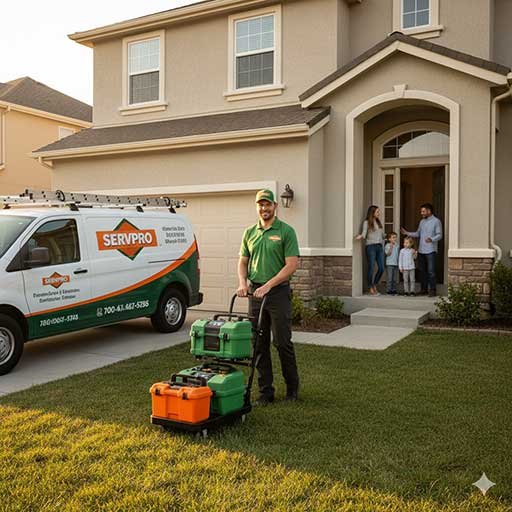
Scope & limits (disclaimer)
Informational content about professional deep-cleaning practices. No proximity phrasing and no calls-to-action; no phone prompts/ZIP finders/links. No medical advice; no product recommendations and no pathogen-specific efficacy claims. Brand names (e.g., “Servpro”) may appear descriptively only; no endorsement or affiliation is implied. This content is intended purely to outline procedures, operational considerations, and household adjustments commonly associated with deep-cleaning visits, rather than to provide individualized guidance or guarantee specific outcomes.
What a deep-clean visit typically covers
Professional cleaning teams generally operate according to a written scope and a detailed room-by-room checklist, ensuring consistency and clarity. Typical areas of focus include:
-
Kitchen: degreasing of hobs, hoods, backsplashes, and appliance exteriors; interiors if pre-agreed; cleaning of handles, knobs, and other high-touch points; attention to corners and edges where soil accumulates.
-
Bathrooms: soil removal, reduction of mineral build-up, non-remediation mildew cleaning, ventilation grilles, and surfaces such as sinks, tubs, showers, switches, and handles.
-
Floors & textiles: HEPA-rated vacuuming of hard surfaces; where scoped, low-moisture or controlled extraction of carpets and upholstery.
-
High-touch cleaning/disinfection: repeated attention to door handles, stair rails, switches, desk edges, and similar surfaces, following label-specified contact times.
Exact tasks vary based on the pre-agreed written scope, the layout of the home, and any household-specific considerations. Documentation ensures all parties understand what will be addressed.
Disinfection protocols (methods, not marketing)
A common operational sequence includes pre-cleaning to remove visible soil, application of disinfectant according to surface compatibility, respecting product-specified contact time, and practices designed to avoid cross-contamination. Examples include using color-coded cloths and maintaining separate tools for kitchens versus bathrooms. Providers select products appropriate to the surface type, but this overview makes no pathogen-specific claims and does not recommend particular products. Always confirm with the provider regarding product selection and detailed instructions.
Family-aware adjustments (non-medical)
In households with older adults, children, or pets, cleaning crews often adapt techniques to reduce risk of slips, spills, or strong odors. Adjustments may include long-reach dusters, low-splash product application, slip-aware floor care, fragrance-free chemistry, and added focus on high-touch zones like banisters, appliance handles, and taps. These measures are operational, intended to improve safety and comfort during cleaning, and do not constitute medical or remediation services.
Planning & expectations (neutral)
Rather than relying on timelines or proximity-based promises, households benefit from aligning on:
-
Written scope
-
Availability window
-
Household sensitivities, such as fragrance-free or ventilation preferences
-
Inclusion of interiors (e.g., oven or fridge) and soft-surface cleaning
Expectations should be procedural, focusing on how tasks are performed, rather than guaranteeing specific outcomes.
Quality you can review
Transparency is often built into professional visits through:
-
A brief walk-through to note delicate surfaces and set priorities
-
A visible checklist during service
-
An end-of-visit summary that records completed items and any care guidance (e.g., recommended dry times)
Providers may have different policies; confirming terms in writing helps avoid misunderstandings.
Materials & surface care (examples)
Thorough cleaning does not necessarily mean harsh cleaning. Common practices include:
-
pH-appropriate chemistry for stone, non-etch formulas on glass, peroxide blends in bathrooms, and neutralizers after heavy degreasers
-
HEPA capture plus damp-wiping to limit re-aerosolization of dust
-
Fragrance-free options where requested
-
Protecting delicate surfaces identified during walk-through, or omitting them if necessary
Illustrative scenarios (not guarantees)
-
Move-in / Move-out: comprehensive kitchen and bath cleaning, appliance interiors if scoped, baseboards, textiles refreshed if included
-
Post-construction dust: multi-pass HEPA vacuuming and damp-wiping of horizontal surfaces and vents
-
After a household illness: focused high-touch cleaning and disinfection, soft-surface refresh if scoped
-
Pet or smoke odor: targeted textile care and controlled moisture extraction to address odor
Outcomes vary depending on material, soil level, and the agreed-upon scope.
What to expect on the day (descriptive flow)
-
Access check and walk-through to align on priorities and special surfaces
-
Protective measures such as corner guards or floor runners
-
Execution per scope: degreasing, HEPA vacuuming, low-moisture extraction if specified, and disinfection by label contact time
-
Completion notes: checklist review and guidance, such as recommended dry times for floors
Actual steps vary by provider and the written scope, but this overview provides a reliable sense of the operational process without guaranteeing specific results.